
In a world increasingly cluttered with possessions and distractions, the appeal of simplicity and functionality has never been stronger. Scandinavian interior design, renowned for its minimalist aesthetic and emphasis on natural light and materials, offers a refreshing approach to modern living spaces. Embracing this style can transform your home into a serene, functional haven that caters not only to beauty but also to well-being and practicality. This article explores the core elements of Scandinavian interior design, why it resonates with contemporary homeowners, and how you can incorporate its principles into your home effectively.
What Defines Scandinavian Interior Design?
Scandinavian interior design emerged from the Nordic countries—Denmark, Sweden, Norway, Finland, and Iceland—and reflects their cultural values and environmental conditions. Characterized by minimalism, simplicity, and functionality, this style prioritizes clean lines, muted colors, and natural materials to create inviting and practical living spaces.
- Minimalism: The focus is on decluttering and removing unnecessary items, promoting an uncluttered environment.
- Natural Light: Maximizing daylight through large windows and light color schemes is essential, especially given the long, dark winters in the region.
- Neutral Color Palettes: Whites, grays, soft blues, and earth tones dominate, providing a calm and cohesive backdrop.
- Natural Materials: Wood, leather, wool, and linen are staples, adding warmth and texture.
- Functional Furniture: Pieces are designed to be practical without sacrificing aesthetics.
These elements combine to create spaces that feel open, airy, and welcoming—qualities highly sought after in modern homes worldwide.
Why Is Scandinavian Interior Design So Popular Today?
Several factors contribute to the growing fascination with Scandinavian interiors among homeowners and designers alike:
- Stress Reduction: A clutter-free environment reduces mental fatigue and enhances relaxation.
- Adaptability: The minimalist base allows easy personalization without overwhelming the senses.
- Timelessness: The understated elegance ensures the style does not quickly become outdated.
- Sustainability: Emphasis on natural materials and durability aligns with eco-conscious living.
- Light Optimization: Especially relevant for urban homes or spaces with limited natural light.
Modern lifestyles, with their fast pace and digital overload, have made Scandinavian design a beacon of calm and balance.
How Can You Incorporate Scandinavian Interior Design Into Your Home?
Transitioning to a Scandinavian-inspired home involves intentional choices that balance aesthetics and function. Here are practical steps to get started:
1. Start With a Neutral Base
Paint walls in soft whites, light grays, or pale blues to create a bright, airy atmosphere. This neutral canvas allows natural light to bounce and makes rooms appear more spacious.
2. Embrace Natural Materials
Introduce wooden furniture with light finishes like pine or birch. Incorporate textiles such as wool throws, linen curtains, and cotton rugs to add texture and warmth without clutter.
3. Choose Functional Furniture
Select pieces that combine form and function—think modular sofas, sleek dining tables, and storage solutions that blend seamlessly into the room. Scandinavian furniture often features clean lines and elevated legs, which visually open up the space.
4. Keep Decor Minimal and Meaningful
Instead of filling shelves with numerous items, opt for a few quality pieces such as ceramic vases, simple framed art, or green plants. This approach maintains the uncluttered vibe and adds personality.
5. Maximize Light
Use sheer curtains or blinds that allow daylight to filter through. Mirrors placed opposite windows can amplify natural light, brightening darker corners.
6. Introduce Pops of Color Carefully
While the palette is predominantly neutral, subtle accents in muted tones like dusty pink, soft greens, or navy blue can add interest without overwhelming the minimalist aesthetic.
Examples of Scandinavian Interior Design in Action
Consider a living room with white walls, a light wooden floor, and a simple gray sofa. A natural wool rug anchors the space while a single large green plant adds vibrancy. A minimalist coffee table with clean lines holds a stack of books and a candle, emphasizing functionality and calm. This setup embodies Scandinavian principles and can be achieved with an investment ranging from modest to moderate, depending on the furniture choices.
In the kitchen, cabinetry with flat fronts painted in matte white or soft gray, paired with natural wood countertops and open shelving, creates a practical yet elegant space. Lighting fixtures often feature industrial or geometric designs, blending modernity with tradition.
Mini-Case Study: Transforming a Small Urban Apartment
| Before | After |
|---|---|
| Cluttered rooms with dark walls and heavy drapes. | Walls repainted in soft white; heavy curtains replaced by sheer linen panels to maximize daylight. |
| Bulky, ornate furniture limiting space. | Switched to light wooden pieces with simple designs, multipurpose storage units added. |
| Multiple mismatched decor items creating visual noise. | Curated selection of a few meaningful accessories and green plants to maintain simplicity. |
This transformation took approximately 3 months, including sourcing sustainable furniture and repainting, resulting in a brighter, more spacious, and calming home environment.
Common Mistakes to Avoid When Adopting Scandinavian Style
- Overcrowding: Adding too many decorative objects defeats the minimalist goal.
- Ignoring Functionality: Scandinavian design is about practical living; prioritize usability.
- Using Harsh Whites: Pure white can feel cold; opt for warmer shades of white or off-white.
- Neglecting Texture: Without varied textures, spaces can feel flat and sterile.
How Does Scandinavian Interior Design Support Sustainable Living?
The emphasis on natural, high-quality materials and timeless design encourages homeowners to invest in durable pieces rather than disposable trends. This approach reduces waste and promotes mindful consumption. Additionally, the focus on natural light and energy efficiency aligns with greener living practices.
Conclusion: Why Embrace Scandinavian Interior Design in Your Modern Home?
Adopting Scandinavian interior design means more than just following a trend—it’s embracing a lifestyle centered around simplicity, functionality, and well-being. By focusing on natural materials, neutral palettes, and decluttered spaces, you create a home that is both beautiful and practical. Whether you live in a compact apartment or a spacious house, these principles can help you cultivate a calming sanctuary that supports a balanced modern life.
Ready to transform your home? Start by evaluating your space and gradually integrating Scandinavian elements—begin with a fresh coat of paint, declutter your rooms, and invest in a few key pieces of functional furniture. With thoughtful steps, you can enjoy the timeless allure of Scandinavian interior design and enhance your everyday living experience.
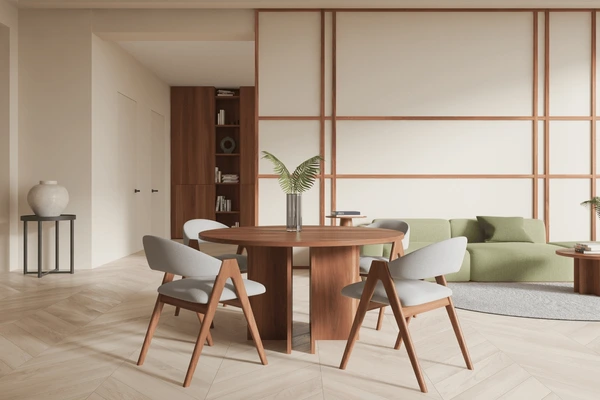
Transform Your Space with Ideas for an Efficient Home

Cleaning Hacks to Transform Your Home and Garden Spaces

Thriving Gardens: Essential Gardening Tips for Every Season
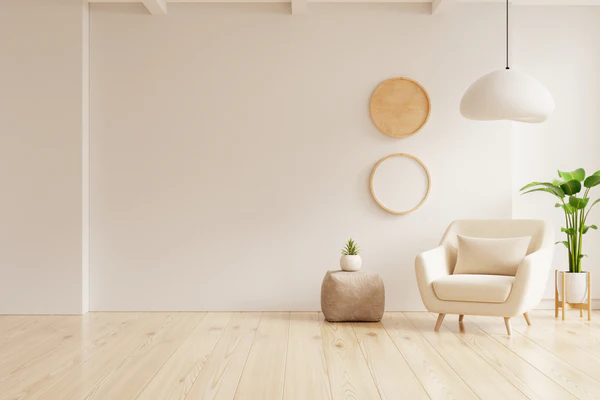
Embracing Minimalism: The Allure of Scandinavian Interior Design
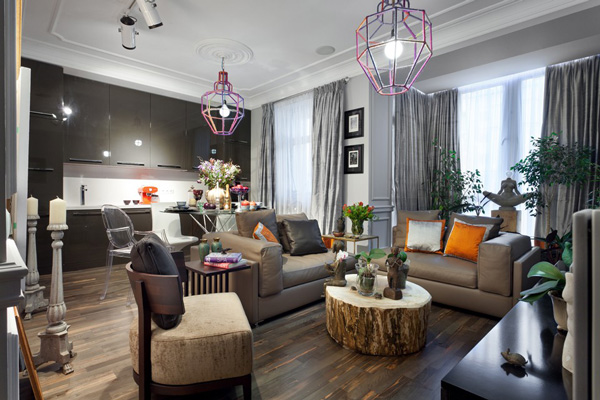
Transform Your Space: Innovative Interior Design Ideas

Creative First Date Ideas That Spark Connection and Chemistry

Dating Apps for Singles: How to Choose the Right One

Unlocking Love: Top Free Dating Apps for Real Connections

Healing After a Breakup: 7 Steps to Find Yourself Again